

The Meaning and Style of Necklaces: How to Choose Pieces That Elevate Every Outfit
Necklaces have always held a special place in jewellery collections. Positioned close to the heart and neckline, they naturally draw attention and often carry emotional, symbolic, or stylistic significance. From minimalist designs to expressive statement pieces, necklaces offer endless possibilities for personal expression.
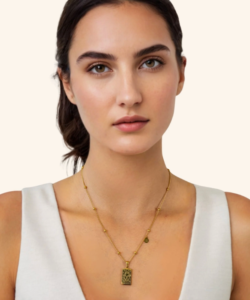
Modern fashion has transformed necklaces from occasional accessories into everyday essentials. Whether worn alone or layered together, the right necklace can define an outfit, enhance proportions, and reflect individual style.
The Foundation of Every Necklace Collection
At the core of most jewellery wardrobes are versatile designs that can be worn repeatedly across different outfits. Simplicity, durability, and adaptability are key qualities in these foundational pieces.
This is where chain necklaces play an essential role. Their clean lines and timeless appeal make them suitable for both casual wear and formal occasions. Worn on their own, they offer understated elegance; paired with pendants, they become personal style statements.
Personal Expression Through Charm Necklaces
Jewellery often tells a story, and few designs are as personal as charm necklaces. These pieces allow wearers to express memories, milestones, and individuality through carefully chosen details.
Charm necklaces are especially popular because they combine sentiment with style. Each charm can represent a meaningful moment, making the necklace not just an accessory, but a wearable narrative.
Lockets: Timeless Jewellery With Emotional Meaning
Lockets have been cherished for generations due to their emotional significance. Traditionally used to hold photographs or keepsakes, lockets remain symbols of connection, remembrance, and intimacy.
A locket necklace blends classic elegance with personal meaning. Modern designs update this timeless concept with refined shapes and contemporary finishes, making lockets relevant for today’s fashion while preserving their sentimental value.
Layering Necklaces for Modern Styling
Layering has become one of the most influential trends in contemporary jewellery styling. Rather than relying on a single piece, wearers combine multiple necklaces of varying lengths and textures to create depth and visual interest.
Layered necklaces allow for creative freedom, enabling wearers to mix minimalist chains with statement pendants or sentimental pieces. This approach transforms necklaces into dynamic style elements rather than static accessories.
The Rise of Ethical Luxury in Necklaces
As consumers become more conscious of sustainability and ethical sourcing, jewellery preferences are shifting. Luxury is no longer defined solely by appearance, but also by how and where pieces are created.
Lab grown diamond necklaces reflect this evolution by offering the same brilliance and durability as traditionally mined diamonds, while supporting responsible production practices.
Beyond Necklaces: A New Approach to Fine Jewellery
This shift extends beyond necklaces into the broader jewellery landscape. Lab grown diamond jewellery represents a modern approach to fine jewellery—one that balances beauty, innovation, and ethical values.
Choosing Necklaces That Reflect Your Style
Selecting the right necklace involves more than following trends. Consider neckline shapes, outfit proportions, and personal preferences when building a collection. Some pieces are ideal for daily wear, while others are best reserved for special occasions.
A well-curated necklace collection includes versatile chains, meaningful pendants, and expressive layered combinations. Together, these elements provide flexibility and longevity, ensuring that necklaces remain central to personal style.
Why Necklaces Remain a Jewellery Essential
Necklaces endure because they adapt effortlessly to changing fashion while retaining emotional and aesthetic significance. Whether chosen for symbolism, elegance, or innovation, necklaces continue to define personal style in subtle yet powerful ways.
Investing in thoughtfully designed necklaces ensures not only timeless beauty, but also a deeper connection between jewellery and self-expression.
Frequently Asked Questions About Necklaces
What type of necklace is best for everyday wear?
Necklaces designed for everyday wear are usually lightweight, durable, and versatile. Simple chain styles are popular because they pair easily with different outfits and can be worn comfortably for long periods.
How do I choose the right necklace length?
The right necklace length depends on personal style, neckline, and layering preference. Shorter lengths highlight the collarbone, while longer necklaces add vertical balance and work well for layering.
Are layered necklaces still in style?
Yes, layered necklaces remain a popular styling choice. Mixing different chain lengths and textures adds depth and allows wearers to personalise their look.
What is the difference between a pendant and a locket necklace?
A pendant necklace features a decorative element, while a locket necklace is designed to open and hold small keepsakes such as photos or notes, adding sentimental value.
Are lab grown diamond necklaces real diamonds?
Yes, lab grown diamond necklaces feature real diamonds created in controlled laboratory environments. They have the same physical, chemical, and visual properties as mined diamonds.
Can necklaces be worn daily without damage?
Necklaces can be worn daily if they are made from durable materials and cared for properly. Removing them before sleeping or showering helps extend their lifespan.
How should necklaces be stored to prevent tangling?
Necklaces should be stored separately, preferably hanging or laid flat, to prevent chains from tangling and rubbing against other jewellery.
… Is it easy to buy diamonds online?
 Luxury
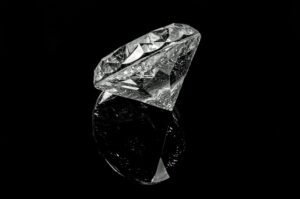 The ancient Latin word “diamas,” which means “magnet,” is the source of the adjective “adamantin,” which is the adjective form of the ancient noun “adamant,” which means “Diamond.,” It is derived from the ancient Latin word “diamas,” which means “magnet.” The adjective “adamantin” was preceded by the suffix “-antis” and the word “adimas.” The diamond is referred to as “adamas” in ancient Greek, which means “invincible” or “unalterable.”
  After a century, the United States and Western Europe experienced extreme prosperity, which led to a rise in demand for diamonds. In fact, a marketing campaign by De Beers played a significant role in the diamond’s rise to prominence as a gemstone for engagement rings in the middle of the 20th century. At the time, this business essentially controlled the entire diamond market worldwide.